
The Critical Roles of PlasmaSensOut and Floating Head Technology
CNC plasma cutting has revolutionized metal fabrication, offering precision, speed, and versatility for industrial and hobbyist applications alike. At the heart of this technology lie several critical components and systems that ensure optimal performance, including advanced sensors, precise motion control, and adaptive cutting mechanisms.
In this article, we will explore three essential aspects of CNC plasma cutting: PlasmaSensOut, a cutting-edge sensing technology; the fundamentals of what CNC plasma cutting is and how it works; and the crucial role of the CNC Plasma Z-axis & Floating head in maintaining accuracy and efficiency. Each of these elements plays a vital role in delivering clean cuts, reducing material waste, and improving overall productivity.
Whether you’re a seasoned machinist or new to the world of plasma cutting, understanding these key technologies will help you make informed decisions about equipment, troubleshooting, and optimizing your workflow. Let’s dive into the details of how these systems work together to shape modern metal fabrication.
What is CNC Plasma Cutting?
CNC plasma cutting is a highly efficient and precise method of slicing through electrically conductive materials, primarily metals, using a high-velocity jet of ionized gas—known as plasma. This technology is widely used in industries such as automotive, aerospace, construction, and metal fabrication due to its ability to produce clean, accurate cuts at high speeds. But how exactly does it work, and what makes CNC plasma cutting superior to traditional cutting methods?
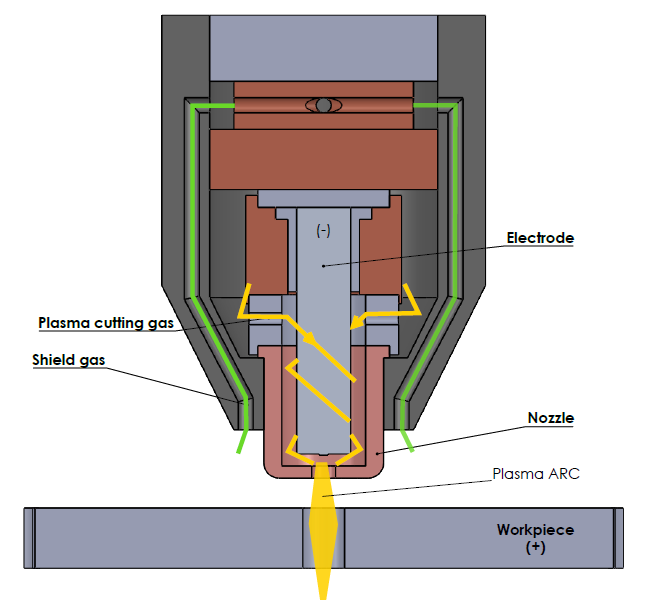
At its core, a CNC (Computer Numerical Control) plasma cutting system consists of a plasma torch controlled by a computer-guided machine. The process begins when an electrical arc is generated between an electrode inside the torch and the workpiece. This arc ionizes the gas (often compressed air, nitrogen, or argon-hydrogen mixtures) passing through the nozzle, transforming it into plasma—an extremely hot, electrically conductive state of matter reaching temperatures upwards of 30,000°F (16,600°C). The plasma jet melts the metal while a high-speed gas stream blows away the molten material, resulting in a precise cut.
One of the key advantages of CNC plasma cutting is its ability to follow complex digital designs with exceptional accuracy. Unlike manual cutting, where human error can lead to inconsistencies, CNC systems interpret CAD (Computer-Aided Design) files and execute cuts with repeatable precision. This makes it ideal for intricate patterns, mass production, and custom metalwork where tight tolerances are required.
Another significant benefit of CNC plasma cutting is its versatility. It can efficiently cut through various metals, including steel, stainless steel, aluminum, copper, and brass, with thicknesses ranging from thin sheets to several inches, depending on the system’s power. Additionally, modern CNC plasma cutters incorporate advanced features such as automatic torch height control (often managed by the CNC Plasma Z-axis & Floating head) and real-time monitoring systems like PlasmaSensOut, ensuring consistent cut quality even with uneven or warped materials.
Compared to other cutting methods like laser or waterjet cutting, CNC plasma cutting offers a cost-effective solution for medium to thick metals while maintaining high cutting speeds. However, factors such as power consumption, consumable wear (nozzles and electrodes), and dross (residual molten metal) must be managed to optimize performance.
In summary, CNC plasma cutting is a powerful, computer-controlled manufacturing process that combines speed, precision, and adaptability. By integrating technologies such as PlasmaSensOut for real-time feedback and the CNC Plasma Z-axis & Floating head for dynamic height adjustment, modern plasma systems continue to push the boundaries of metal fabrication, making them indispensable in today’s industrial landscape.
Understanding PlasmaSensOut: The Smart Sensor Technology in CNC Plasma Cutting
Precision and consistency are critical in CNC plasma cutting, where even minor deviations can lead to poor cut quality, wasted material, or damaged components. This is where PlasmaSensOut comes into play—an advanced sensing technology designed to enhance the accuracy and reliability of plasma cutting operations. But what exactly is PlasmaSensOut, and how does it improve the cutting process?
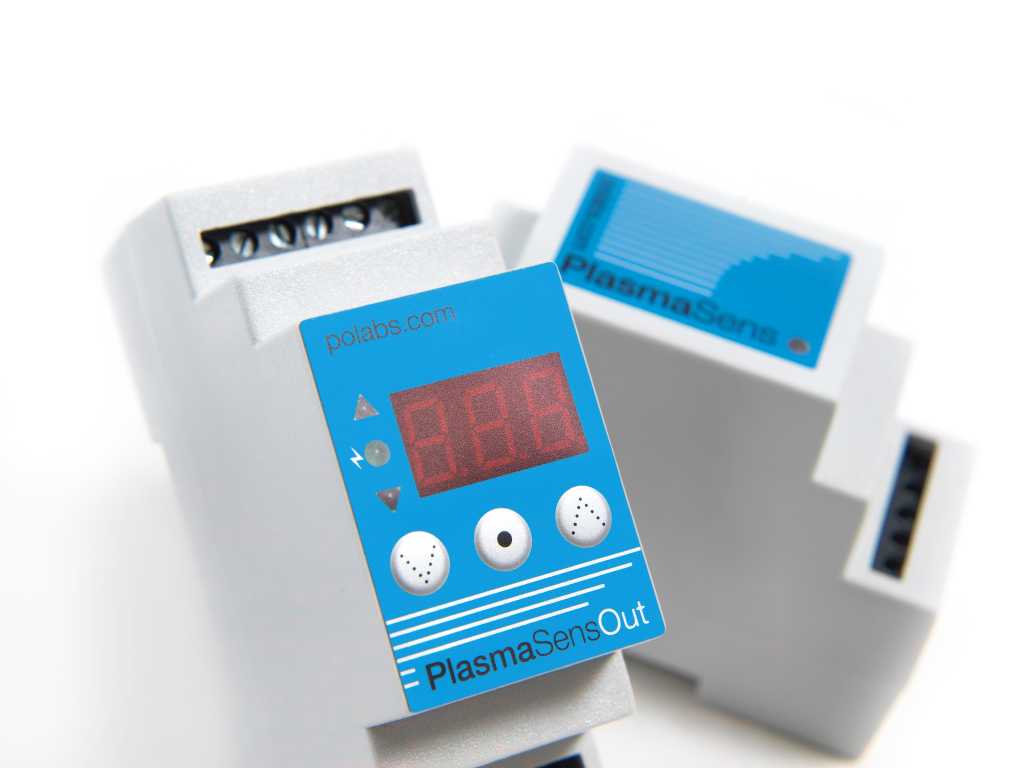
PlasmaSensOut refers to a sophisticated sensor system integrated into CNC plasma cutters to monitor and adjust cutting parameters in real time. Unlike traditional setups that rely on pre-programmed settings, PlasmaSensOut actively measures variables such as arc voltage, torch height, and material conductivity, making instantaneous corrections to maintain optimal performance. This technology is particularly valuable when cutting uneven or warped materials, where manual adjustments would be impractical.
One of the primary functions of PlasmaSensOut is torch height control. Maintaining the correct distance between the plasma torch and the workpiece is crucial for achieving clean cuts and prolonging consumable life. If the torch is too close, it can cause excessive splatter and nozzle damage; if it’s too far, the arc may weaken, resulting in incomplete cuts. PlasmaSensOut continuously tracks the material surface and adjusts the CNC Plasma Z-axis & Floating head accordingly, ensuring consistent standoff distance throughout the cutting process.
Another key advantage of PlasmaSensOut is its ability to detect and compensate for variations in material thickness and composition. Since different metals conduct electricity differently, the system can automatically fine-tune amperage and gas flow rates to match the workpiece, reducing errors and improving edge quality. Additionally, some PlasmaSensOut systems include collision detection, preventing torch crashes that could lead to costly downtime or repairs.
Integration with modern CNC software further enhances the capabilities of PlasmaSensOut. Operators can review sensor data, track performance trends, and even predict maintenance needs based on wear patterns. This proactive approach minimizes unplanned interruptions and maximizes productivity.
In summary, PlasmaSensOut represents a significant leap forward in plasma cutting technology, offering real-time adaptability that was previously unattainable. By working in tandem with the CNC Plasma Z-axis & Floating head, this intelligent sensor system ensures precision, efficiency, and durability—making it an indispensable tool for high-performance metal fabrication.
The Role of CNC Plasma Z-axis & Floating Head in Precision Cutting
In CNC plasma cutting, maintaining the optimal distance between the torch and workpiece is critical for cut quality, consumable life, and overall efficiency. This is where the CNC Plasma Z-axis & Floating head comes into play—a dynamic system designed to automatically adjust torch height in response to material variations. But how exactly does this mechanism work, and why is it so essential in modern plasma cutting systems?
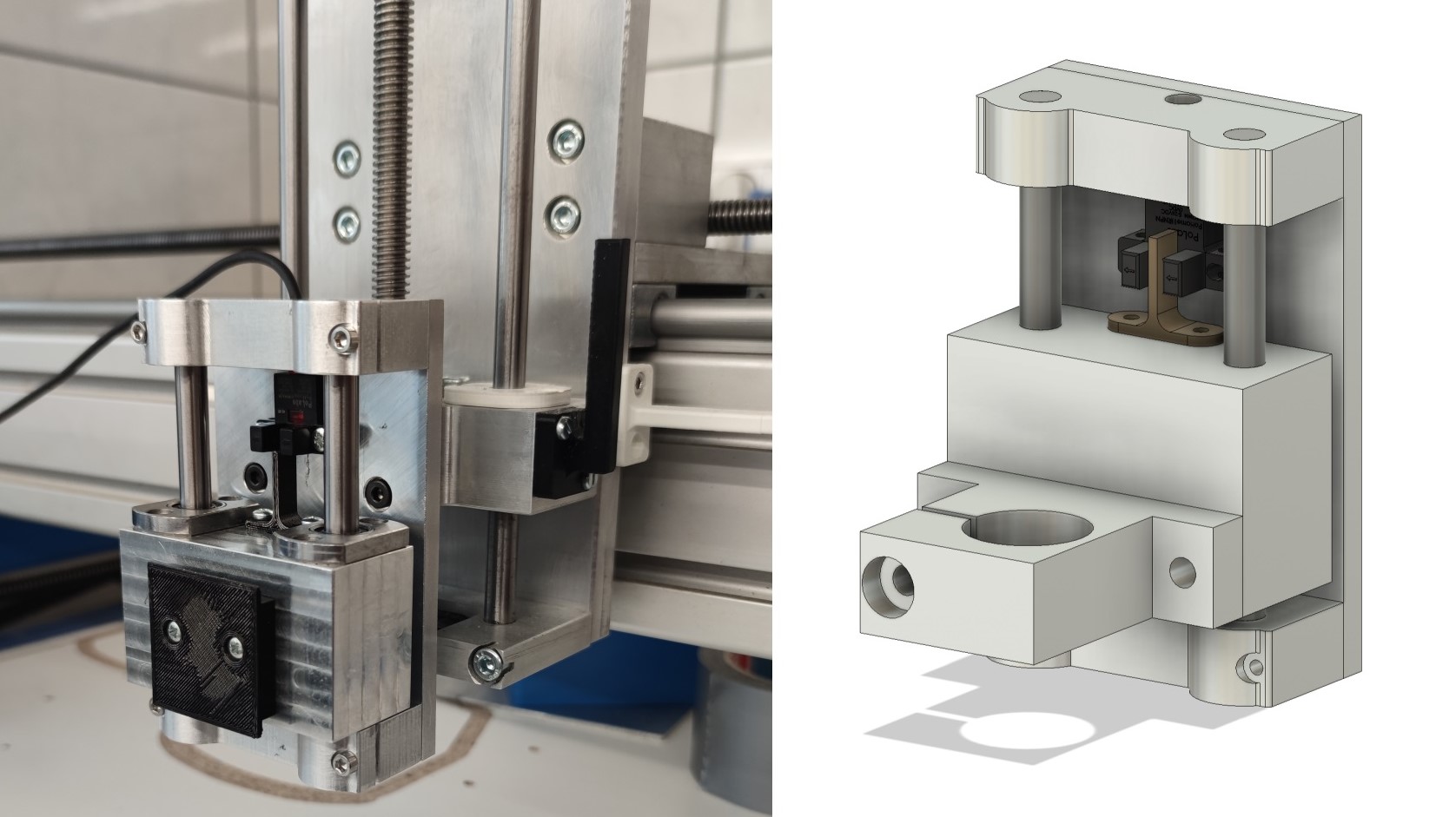
The CNC Plasma Z-axis & Floating head is a motorized assembly that controls the vertical movement of the plasma torch. Unlike fixed-height systems, which require manual adjustments for different materials, this automated solution uses sensors (often integrated with PlasmaSensOut technology) to detect the workpiece surface and maintain a consistent standoff distance. The “floating” aspect refers to its ability to physically glide over uneven or warped metal, compensating for imperfections that would otherwise disrupt the cutting process.
One of the key benefits of the CNC Plasma Z-axis & Floating head is its impact on cut quality. If the torch is too high, the plasma arc loses focus, leading to wider kerfs and beveled edges. If it’s too low, there’s a risk of nozzle damage and excessive dross buildup. By dynamically adjusting height mid-cut, the floating head ensures a stable arc length, producing cleaner edges and reducing post-processing work. This is especially crucial when piercing thick materials or executing intricate contours where precision is paramount.
Another advantage is extended consumable life. Nozzles and electrodes wear out faster when subjected to inconsistent arc distances or collisions with the workpiece. The CNC Plasma Z-axis & Floating head mitigates these issues by smoothly tracking the material surface, preventing crashes and optimizing energy transfer. Some advanced systems even incorporate collision detection, momentarily retracting the torch upon impact to avoid damage.
Integration with PlasmaSensOut further enhances the Z-axis’s responsiveness. Real-time voltage feedback allows the system to detect subtle changes in material conductivity—such as transitions between steel and stainless steel—and adjust the torch height accordingly. This synergy between sensing and motion control is what sets high-end plasma cutters apart from rudimentary models.
In industrial applications, the CNC Plasma Z-axis & Floating head also improves productivity by reducing setup time. Operators no longer need to manually calibrate torch height for each new sheet or compensate for warped stock. The system autonomously adapts, allowing for uninterrupted cutting even with imperfect materials.
To summarize, the CNC Plasma Z-axis & Floating head is a cornerstone of modern plasma cutting technology, delivering precision, durability, and efficiency. When paired with intelligent systems like PlasmaSensOut, it transforms raw metal fabrication into a seamless, automated process—proving that in the world of CNC plasma cutting, the right height makes all the difference.
Optimizing CNC Plasma Cutting: How PlasmaSensOut, Z-Axis & Floating Head Work Together
While PlasmaSensOut, CNC plasma cutting, and the CNC Plasma Z-axis & Floating head each play distinct roles, their true power emerges when these systems operate in unison. This integrated approach transforms a basic cutting machine into a high-precision fabrication tool capable of handling complex industrial demands. But how exactly do these components interact, and what benefits does this synergy deliver?
At the heart of this integration is real-time communication between sensors and mechanics. PlasmaSensOut acts as the nervous system of the operation, constantly monitoring variables like arc voltage, material conductivity, and surface irregularities. When it detects a change—such as a warped metal sheet or a transition between material types—it instantly relays this data to the machine’s control system. This triggers the CNC Plasma Z-axis & Floating head to make micro-adjustments, maintaining optimal torch height without interrupting the cutting process.
The relationship between these systems becomes particularly crucial when piercing thick materials or navigating intricate cut paths. During piercing, the PlasmaSensOut system detects the initial plasma arc establishment and signals the Z-axis to gradually retract to the ideal cutting height, preventing splashback and nozzle damage. Meanwhile, when following complex contours, the floating head’s ability to smoothly track uneven surfaces—guided by sensor feedback—ensures consistent cut quality throughout the entire pattern.
This integration also enables advanced features like predictive maintenance. By analyzing data from PlasmaSensOut about arc consistency and voltage fluctuations, the system can alert operators to potential issues with consumables or mechanical components before they cause failures. Similarly, the Z-axis movement patterns can indicate wear in the floating mechanism, allowing for timely servicing.
From an operational standpoint, this harmonious interaction between components significantly reduces the need for manual intervention. Where traditional plasma cutting might require frequent operator adjustments for different materials or conditions, the combined action of PlasmaSensOut and the CNC Plasma Z-axis & Floating head automates these adaptations. This not only improves cut quality but also enhances workplace safety by minimizing human interaction with the cutting process.
The result is a plasma cutting system that’s greater than the sum of its parts—capable of handling diverse materials, accommodating imperfect workpieces, and maintaining precision through extended production runs. As manufacturers continue pushing for higher efficiency and tighter tolerances, this integration of sensing, control, and mechanical systems will remain at the forefront of plasma cutting innovation.
In essence, the collaboration between PlasmaSensOut technology and the CNC Plasma Z-axis & Floating head represents the pinnacle of modern CNC plasma cutting, where intelligent responsiveness meets mechanical precision to redefine what’s possible in metal fabrication.
Read also:
The Hidden Tech Powering Miniature Worlds and Industrial Machines
Where Innovation Meets Fabrication
As we’ve explored throughout this article, modern CNC plasma cutting represents a remarkable fusion of technology, precision engineering, and intelligent automation. From the fundamental principles of what CNC plasma cutting is, to the advanced sensing capabilities of PlasmaSensOut, and the dynamic precision of the CNC Plasma Z-axis & Floating head, each component plays a vital role in transforming raw metal into precisely crafted components.
The evolution of plasma cutting technology has been nothing short of revolutionary. What began as a relatively straightforward thermal cutting process has evolved into a sophisticated fabrication system capable of making real-time adjustments, compensating for material inconsistencies, and delivering consistent, high-quality cuts across countless industrial applications. The integration of PlasmaSensOut with the CNC Plasma Z-axis & Floating head exemplifies this progress, creating a responsive system that essentially “thinks” as it cuts, adjusting to variables that would challenge even the most skilled human operator.
Looking ahead, the future of CNC plasma cutting promises even greater advancements. We can anticipate further refinements in sensor technology, with PlasmaSensOut systems becoming more sensitive and capable of detecting even subtler material variations. The CNC Plasma Z-axis & Floating head mechanisms will likely see improvements in speed and precision, enabling them to handle more complex cutting scenarios with unprecedented accuracy. Additionally, as machine learning and AI continue to permeate manufacturing, we may see plasma cutting systems that can predict optimal cutting parameters based on material analysis and historical performance data.
For manufacturers and fabricators, these advancements translate to tangible benefits: reduced material waste, lower operational costs, faster production times, and the ability to take on more challenging projects with confidence. Whether creating intricate decorative metalwork or heavy-duty industrial components, the combination of PlasmaSensOut technology and the CNC Plasma Z-axis & Floating head ensures that today’s plasma cutting systems can meet the demands of modern manufacturing.
In closing, what is CNC plasma cutting? It stands as a testament to how technology can elevate traditional manufacturing processes. By understanding and leveraging the capabilities of systems like PlasmaSensOut and the CNC Plasma Z-axis & Floating head, operators and business owners can unlock new levels of efficiency and quality in their metal fabrication work. As these technologies continue to evolve, one thing remains certain: the precision and versatility of CNC plasma cutting will remain indispensable in shaping the future of metalworking.